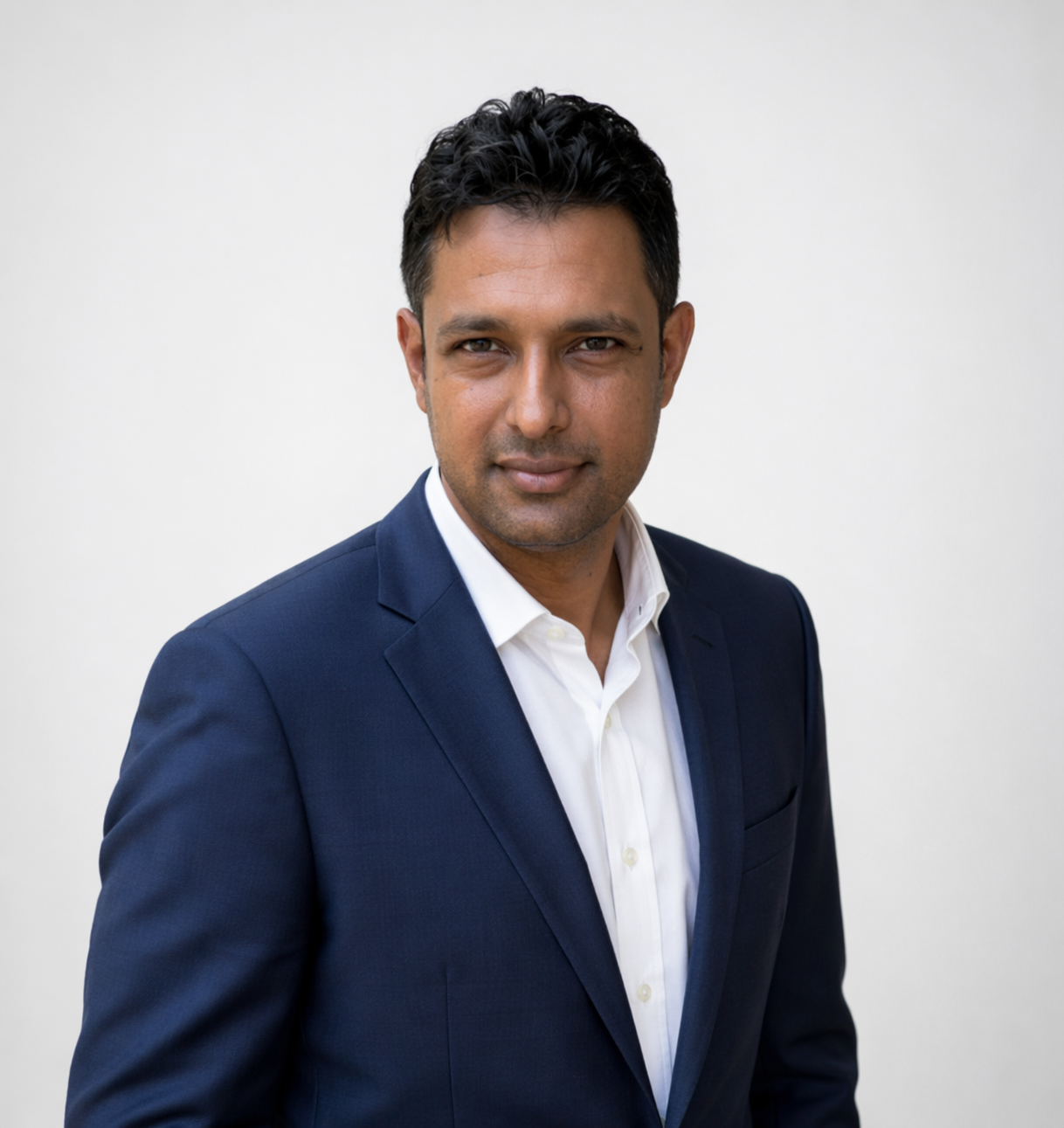
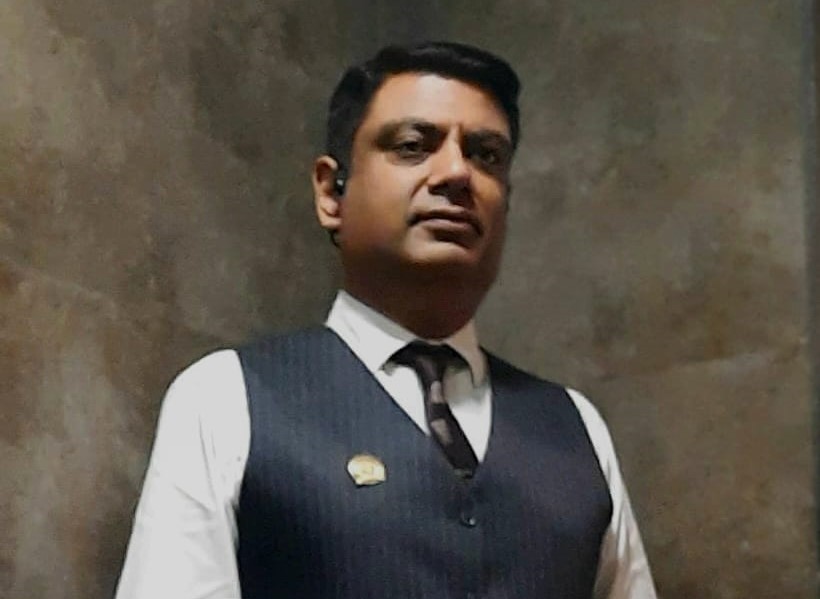
As higher education evolves with AI, technology and changing industry needs, institutions are increasingly focusing on skills, employability and real-world learning. In this conversation, Dharamveer Dheer, Group Director, VUG, ITM Group of Institutions, shares his perspective on building future-ready institutions, ITM’s education philosophy, technology-driven admissions and the emerging opportunities for students in India.
Students today have more choices than ever before. What, in your opinion, defines a truly future-ready higher education institution?
A truly future-ready institution prepares students not just for their first job, but for a career that may evolve several times. The world of work is changing rapidly because of AI, automation, new technologies and changing consumer needs. Therefore, education must move beyond classrooms and examinations to focus on practical skills, problem-solving, creativity, communication and adaptability.
Students should graduate with three things: a strong academic foundation, industry-relevant skills and the confidence to apply what they have learned. Exposure to real projects, internships, technology, entrepreneurship and industry professionals is equally important. Most importantly, a future-ready institution should continuously update its curriculum and teaching methods. The objective should be simple: give students the knowledge to qualify, the skills to perform and the experience to succeed in the real world.
ITM Group of Institutions has witnessed remarkable growth over the years. What has been the key philosophy behind building a strong and trusted education brand?
The philosophy has always been to create education that delivers lasting value to students and prepares them for the world beyond the classroom. Since its establishment in 1991, ITM Group of Institutions has focused on combining academic knowledge with practical learning, industry exposure and professional development. This philosophy is particularly reflected in ITM Vocational University, where education integrates general and vocational learning with a strong emphasis on hands-on training, internships, employability and industry-relevant skills.
Over the years, ITM has built its reputation by staying closely connected to the evolving needs of industry while maintaining a strong focus on academic excellence, student development and career outcomes. The objective is not simply to award a degree, but to equip students with the knowledge, skills, confidence and professional mindset they need to succeed. Ultimately, the trust in the ITM brand comes from this consistent commitment to value creation, bringing together education, skills, industry engagement and opportunities to help students build meaningful and successful careers.
How are technology, AI, and data helping institutions create a more personalized and meaningful admission experience for students?
Technology, AI and data can fundamentally change admissions from a transactional process into a more personalised guidance journey. Instead of presenting every student with the same information, institutions can use data to understand a student’s academic background, interests, aptitude and career aspirations, and then recommend relevant programmes, learning pathways and career options. AI can also make communication faster and more responsive by answering routine questions, guiding students through applications and helping counsellors identify where a student needs additional support.
At ITM Vocational University, this approach is reflected in its emphasis on industry-aligned, skill-based education, where students learn through practical experiences, internships and career-focused training. The university’s vocational degree pathways are designed to connect academic learning with real-world application and employability, helping students build the skills and competencies required by industry.
Having guided more than 200,000 students, what qualities do you believe today’s students should look for in a college to build a successful career?
Students should look beyond rankings, campus appearance or a popular course name. The first question should be: What will I actually learn here, and how will that learning prepare me for work?
I would encourage students and parents to evaluate five things, academic credibility, practical exposure, industry connect, internship opportunities and placement outcomes. They should also look at whether the curriculum is updated, whether students get opportunities to work on real projects, and whether the institution encourages communication, teamwork, creativity and problem-solving.
Another important factor is the learning environment. Students spend some of their most formative years in college, so they need a place that encourages curiosity, confidence and independent thinking. A good college should not simply give a student a qualification. It should help them develop the skills, experience and mindset required to build a successful and adaptable career.
Looking ahead, what excites you the most about the future of higher education in India, and what opportunities do you see for students in the coming years?
What excites me most is that Indian higher education is increasingly moving from a qualification-led model towards a skills-and-outcomes-led model. The growth of AI, automation, digital businesses, advanced manufacturing, fintech, healthcare, hospitality and the creative economy will create entirely new career possibilities. Students who combine domain knowledge with practical and digital skills will be particularly well positioned.
This is where institutions such as ITM Vocational University have an important role to play. Its model of full UGC-recognised vocational degrees, learning by doing, paid internships and industry exposure is aligned with this changing employment landscape. The university’s 100% placement for the 2024-25 batch, 950+ recruiter network and highest package of 12 LPA demonstrate the emphasis on employability. I believe the future belongs to institutions that can bridge the gap between what students learn and what industry needs.