

By Dr Rini Singh
Every year, as Diwali approaches, Indian households embark upon an elaborate exercise of cleansing, decorating and beautifying their homes. Every nook and corner is meticulously cleaned, homes are illuminated and surroundings transformed into spaces of warmth and celebration. Yet, amid this enthusiasm, lies an uncomfortable paradox: while we strive to make our homes cleaner, we collectively contribute to making the environment outside considerably more polluted.
It is ironic that we repeatedly remind our toddlers to keep their surroundings clean, avoid littering, and respect nature, while our own festive practices sometimes contradict these very principles. We speak of sustainability, environmental consciousness, and responsible living, but when celebrations arrive, these ideals often take a back seat.
For someone close to me who has been living with chronic asthma, Diwali brings mixed emotions. The beauty of illuminated homes, festive decorations, and togetherness is enchanting; however, the anticipation of hazardous smoke, deteriorating air quality, and firecracker emissions is equally daunting. What should ideally be a celebration of light and prosperity often becomes a period of apprehension for those with respiratory vulnerabilities.The concern extends beyond individual health. It raises a fundamental question: Are we genuinely practising the sustainability we so emphatically advocate?
Sustainability: A Commitment Beyond Conferences and Conversations
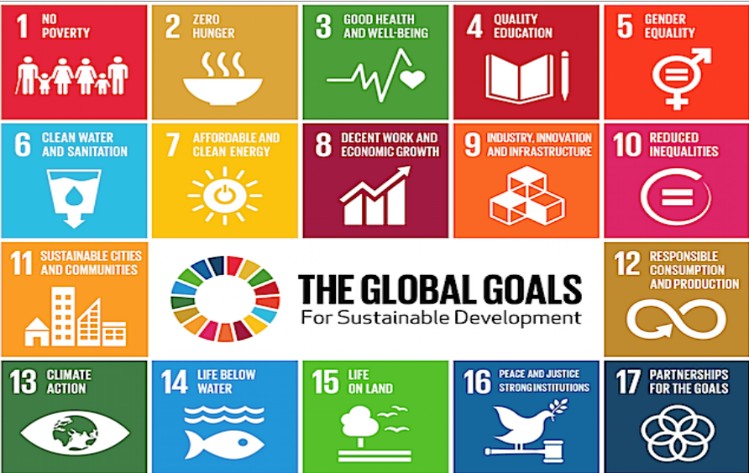
Sustainability is no longer an abstract concept discussed exclusively in academic circles or international environmental forums. From the United Nations Sustainable Development Goals (SDGs) to green buildings, carbon neutrality, energy efficiency and the principles of Reduce, Reuse and Recycle, responsible consumption has become a global imperative.
India, too, has made significant commitments towards climate action, renewable energy adoption and reducing the carbon intensity of its economy. However, policy commitments must find meaningful expression in our everyday conduct. The World Meteorological Organization (WMO), in its Greenhouse Gas Bulletin No. 21 (2025), reported that atmospheric carbon dioxide concentrations reached approximately 423.9 parts per million in 2024, registering an annual increase of 3.5 ppm. Its State of the Global Climate 2024 report, published in 2025, identified 2024 as the warmest year in the observational record, with global temperatures approximately 1.55°C above pre-industrial levels.Further, the United Nations Environment Programme (UNEP), in its Emissions Gap Report 2024, cautioned that existing climate policies could result in approximately 3.1°C of global warming over this century.
These findings reinforce the urgency of reducing avoidable emissions. While firecrackers are not a principal driver of global greenhouse gas emissions, their combustion contributes to local particulate pollution and releases gases and other pollutants into the atmosphere. When our cities experience severe deterioration in air quality following a single night of indiscriminate firecracker bursting, we must pause and introspect. Environmental responsibility cannot remain confined to diplomatic negotiations, government policies or corporate sustainability reports. It must become an intrinsic part of our social and cultural behaviour.
The Human Cost of Celebration: When Festivities Become a Public Health Concern
Beyond environmental degradation lies an even more pressing concern: the impact of firecracker emissions on human health.The World Health Organization (WHO) estimates that ambient and household air pollution together are associated with approximately seven million premature deaths annually worldwide. Its Global Air Quality Guidelines (2021) identify fine particulate matter, particularly PM2.5, as a significant health hazard because of its ability to penetrate deep into the respiratory system and contribute to pulmonary and cardiovascular complications.
Depending on their composition, fireworks release fine particles, sulphur compounds, nitrogen oxides and metallic constituents.For individuals living with asthma, chronic bronchitis and Chronic Obstructive Pulmonary Disease (COPD), such episodes can aggravate existing conditions, trigger wheezing, coughing and breathlessness, and increase the need for medical intervention.India’s own research institutions, including the Indian Council of Medical Research (ICMR), have highlighted the substantial disease burden associated with air pollution. UNICEF has also repeatedly emphasised children’s disproportionate vulnerability, given that their lungs and immune systems are still developing.Senior citizens and individuals with underlying cardiovascular conditions are equally vulnerable.The impact is not confined to human beings. Street animals, companion animals and birds are exposed to excessive noise, sudden flashes of light and atmospheric pollutants. Their inability to understand or escape these disturbances makes them particularly vulnerable.
Should the joy of one section of society come at the expense of another’s health? Should our children grow up believing that festivities necessarily involve compromising the environment?The answer must be an unequivocal no.
The Invisible Crisis: What We Cannot See, We Often Choose to Ignore
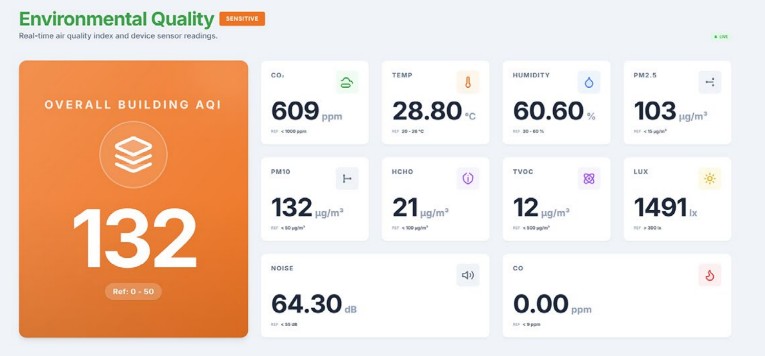
One of the greatest challenges associated with air pollution is its invisibility. While smoke-filled streets and hazy skylines are visible manifestations, many harmful pollutants remain imperceptible to the naked eye.PM2.5, PM10, carbon monoxide (CO), nitrogen dioxide and other pollutants can significantly compromise air quality. Carbon dioxide (CO₂), although distinct from conventional toxic air pollutants, is an important greenhouse gas and an indicator of indoor ventilation adequacy.
I have always believed in the thought that “out of mind is out of sight”. Unless people can observe, measure and understand the environmental conditions surrounding them, the seriousness of the problem often remains distant and abstract.
Imagine our children walking into their homes, schools or residential complexes and actually seeing the quality of the air they breathe. Imagine air-quality monitors displaying real-time readings of PM2.5, PM10, carbon monoxide, carbon dioxide, temperature and humidity.Such visibility can transform environmental education into an everyday experience. Children would not merely be told that pollution is harmful, they would understand the evidence themselves.The Central Pollution Control Board (CPCB), through India’s National Air Quality Index, monitors critical pollutants including PM2.5, PM10, carbon monoxide, ozone, nitrogen dioxide and sulphur dioxide. However, environmental awareness must extend beyond public monitoring stations into our homes, schools and workplaces.
Technology as an Enabler of Sustainable Living: The Buildtrack Approach
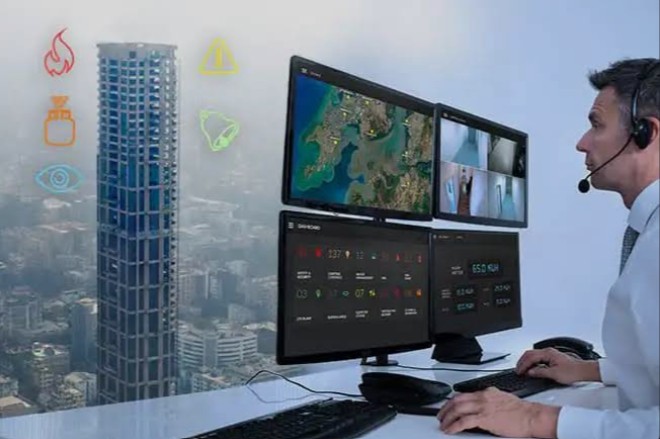
Addressing environmental challenges requires more than awareness campaigns. It calls for intelligent infrastructure, informed decision-making and technology-driven interventions.This is precisely where Buildtrack Smart Automation can play a meaningful role in creating healthier, safer and more sustainable living environments. Through its smart automation ecosystem and integrated hardware solutions, Buildtrack brings greater visibility and control to the spaces we inhabit. Its air-quality monitoring solutions enable occupants to monitor important environmental parameters, including particulate matter and relevant gas concentrations, helping them understand the quality of their indoor environment.Real-time environmental data can encourage residents, facility managers and building administrators to take timely corrective measures. When pollution levels deteriorate, appropriate ventilation strategies and air-filtration systems can be considered to improve indoor air quality.The larger objective is to move from reactive responses to proactive environmental management.A smart home should not merely offer automated lighting, sophisticated entertainment systems or convenient access controls. It should also prioritise the health, safety and well-being of its occupants.Buildtrack’s smart automation philosophy resonates with this larger vision: creating intelligent spaces where technology serves people, enhances operational efficiency and supports responsible resource management.
Beyond Individual Homes: The Need for Intelligent Buildings
India’s urban landscape is undergoing a remarkable transformation. High-rise residential developments, commercial complexes and mixed-use buildings are becoming increasingly commonplace. As buildings grow taller and more technologically complex, their safety and operational requirements become correspondingly demanding. Building Management Systems (BMS) are therefore no longer merely an additional technological feature; they are an essential component of intelligent infrastructure.An integrated BMS facilitates centralised monitoring and management of critical building services, including HVAC systems, lighting, energy consumption and connected infrastructure. Such systems can contribute to improved energy management, operational efficiency and occupant comfort.Equally important is the integration of emergency response and life-safety systems. Fire detection, alarms, emergency communication, access control and coordinated response mechanisms must function as part of a well-planned safety ecosystem.In high-rise buildings, timely alerts, coordinated emergency protocols and clearly defined evacuation procedures can make a critical difference during unforeseen incidents.Buildtrack Smart Automation offers an integrated approach to intelligent building management, automation and safety-oriented infrastructure. By bringing different building systems into a coordinated technological ecosystem, it supports the transition towards buildings that are not only smarter but also more responsive and better equipped to manage operational and emergency requirements.
Reimagining Diwali: From the Celebration of Light to the Celebration of Life
Our festivals are an integral part of India’s cultural identity. Diwali symbolises the triumph of light over darkness, knowledge over ignorance and hope over despair. It would be unfortunate if the essence of this beautiful festival became overshadowed by practices that compromise the very environment in which we celebrate.The joy of Diwali need not be measured by the number of firecrackers burst, the volume of noise generated or the density of smoke enveloping our neighbourhoods. Traditional lamps, beautifully decorated homes, shared happiness and stronger community bonds can remain at the heart of our celebrations.Even regulated green crackers are not pollution-free. They may reduce certain emissions under prescribed conditions, but they do not eliminate particulate pollution, noise or associated health risks.
We must encourage children to plant more trees, nurture greenery, conserve water, reduce waste and understand the consequences of excessive consumption. Trees are essential components of ecological balance, and unnecessary tree felling must be discouraged. Most importantly, we must lead by example. We cannot teach children to protect the environment in classrooms, only to expose them to unhealthy surroundings in the name of celebration. Environmental consciousness must not be a seasonal virtue, it must become a way of life.
The Responsibility We Owe Future Generations
Ultimately, environmental consciousness cannot be outsourced to technology, governments or sustainability professionals. It begins with individual choices and collective accountability.If we aspire to create sustainable cities, green buildings and environmentally responsible communities, our homes and neighbourhoods must reflect these aspirations.Technology can provide the tools. Scientific research can provide the evidence. Awareness can provide the understanding. But the responsibility to act rests with each one of us.
Buildtrack Smart Automation represents an important dimension of this transition by demonstrating how intelligent monitoring, automation and integrated building management can contribute to healthier and safer spaces.Perhaps the greatest gift we can offer the next generation is not merely a beautifully illuminated home during Diwali, but a world where the air they breathe is clean, the environment they inhabit is protected and the future they inherit is worth celebrating.The true prosperity of a nation cannot be measured merely by economic growth, illuminated skylines or technological advancement. It must also be measured by the quality of air its citizens breathe, the safety of its buildings and the health of the generations it nurtures.Because a truly illuminated home is not one that merely shines with decorative lights, it is one that safeguards the health, safety and well-being of everyone within it.Perhaps it is time we moved from celebrating the brightness of our homes to safeguarding the very environment that makes those homes worth living in.That, perhaps, is the real essence of a progressive, sustainable and responsible India.