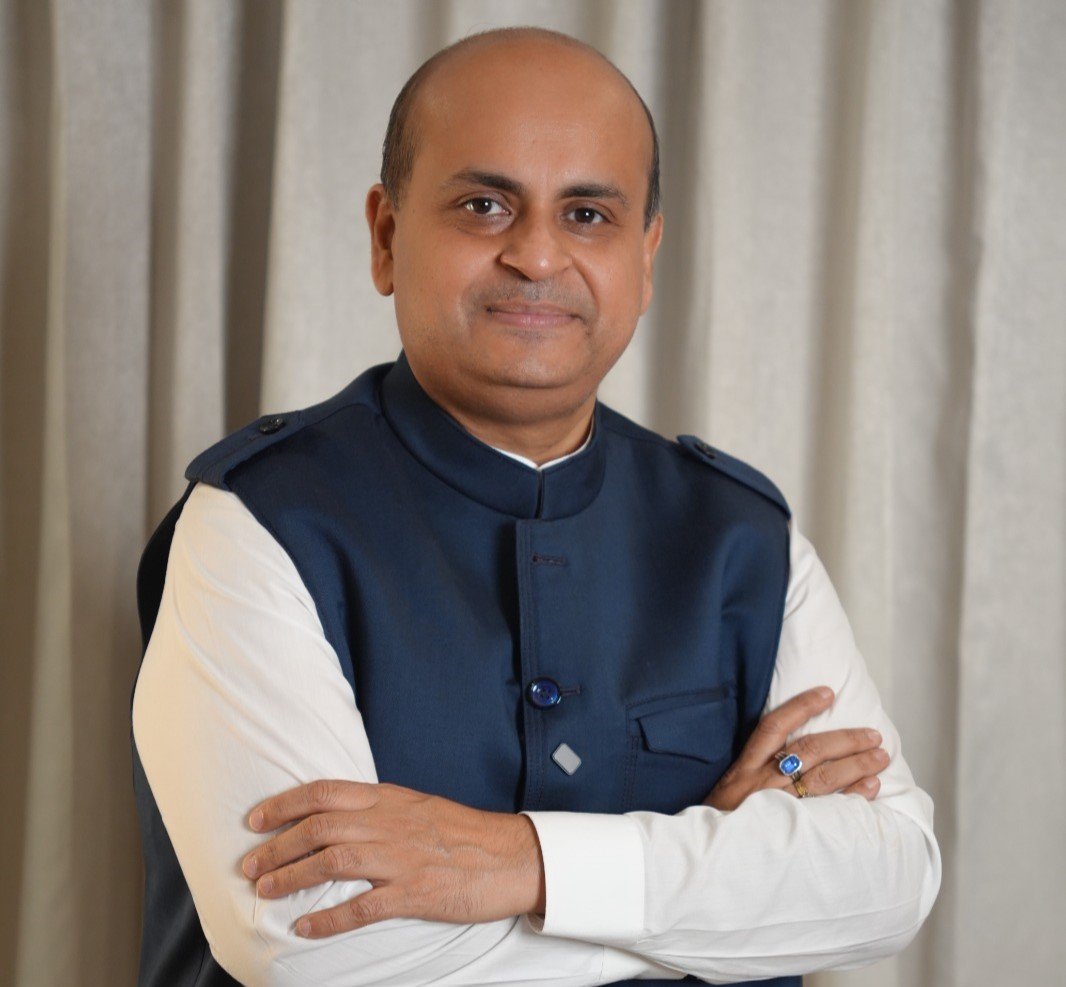

By: Manish Mohta, Managing Director, Learning Spiral.
As artificial intelligence transforms the way students learn, write and work out solutions in assessments, the university industry is grappling with one question above all: how can the university prove that a degree is an accurate representation of a student’s knowledge and ability? Academic integrity has moved beyond the days of simply cheating on exams. Instead, it is at the heart of how universities establish the value of their degrees, prove learning outcomes and compete in a crowded higher education marketplace.
The real problem now is not plagiarism. A student can produce text that is not obviously plagiarised, using AI, do an online assessment from home with the aid of a tutor, and memorise the answers without needing to know what to do with them. Their academic result can be very different from what their competence actually is. For a university, this can be a risk to their reputation, once the students enter the workforce without the skills their qualification is supposed to give them.
Where academic integrity is valued, we need to close the gap by replacing submission-based assessments with assessments based on demonstrated understanding. Against the traditional assignment, alternative assessment methods such as case-based assessments, viva, practical problem-solving tasks, project presentation and applications-based questions can be adopted, for example, a management student should be able to justify a business strategy submitted in an assignment and an engineering student should be able to justify that theoretical principles translate to a practical solution. The emphasis should be on what students can demonstrate not what they submit.
The main things students will need to showcase are critical thinking, effective communication, decision making and independence, problem solving and reflection. If the college is able to prove that its assessment methods do genuinely ensure all of these things, then it will be a stronger job candidate, leading to improved student achievement, improved industry links and stronger alumni.
This is where technology can step in – to protect the integrity not student privacy. AI-powered remote invigilation of protected online test portals that minimises question paper leaks; validation of candidate identities; and digital test delivery environments, e.g. proctored secure browser test environment, can all help fight impersonation, leaks and counterfeit exams. They have to be accurate, transparent, and most importantly – fair – and not just added pressure on the students.
Universities should also be open about what using AI is okay and what isn’t. Banning AI isn’t practical or wise – workplaces will be using it, one way or another. Students will have to learn when AI can be used to assist with research, interpretation and learning, and when using it is cheating.
And ultimately these differences may begin to determine the quality of institutions. As AI can offer high-quality academic writing, education will be judged on verified information, original ideas, and practical skills. Institutions that are able to preserve these requirements may then have a valuable asset – courses that employers will trust, learners will value, and the industry will acknowledge as genuine proof of expertise.