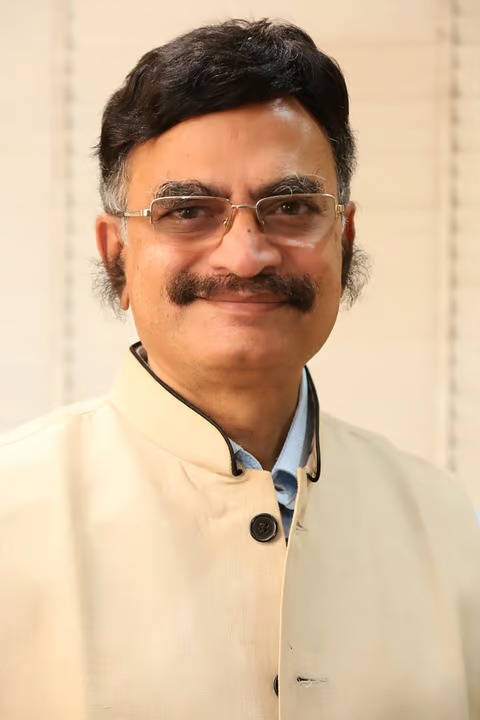

By: Ankur Jain, Co-founder & CBO, Sunstone
India’s higher education narrative has long been shaped by the prestige of IITs and IIMs. However, as the Gross Enrolment Ratio moves toward 32 percent by 2030, the real transformation is unfolding beyond these elite institutions. With over 28,000 universities located in Tier-2 and Tier-3 cities, catering to more than half of India’s college-going population, a quiet but significant shift is underway, one that prioritizes employability and outcomes over institutional legacy.
From Degrees to Deliverables
The traditional focus on seat-fill rates is steadily giving way to outcome-driven education. Recruiters are increasingly looking beyond brand value, placing greater emphasis on practical skills and job readiness. A 2024 NASSCOM study highlights that 62 percent of recruiters are actively hiring from non-metro colleges, signaling a clear shift in hiring patterns.
In response, many institutions are redesigning curricula in collaboration with industry across sectors such as BFSI, analytics, logistics, and digital marketing. Structured corporate immersions, often spanning six to nine months, are now being integrated as credit-based components. At institutions like KIIT University in Bhubaneswar, partnerships with leading companies have significantly improved internship-to-job conversion rates, with competitive salary outcomes rivaling those of metro-based colleges.
Technology as the Great Equaliser
Technology is playing a transformative role in bridging the gap between urban and non-urban institutions. According to the Ministry of Education’s 2025 digital readiness report, over 70 percent of Tier-2 and Tier-3 colleges have adopted AI-driven adaptive learning platforms and predictive analytics to enhance student engagement.
These innovations are enabling personalized learning experiences, improving completion rates, and equipping students with industry-relevant skills. In regions like Gujarat’s industrial corridors, the integration of augmented reality labs with on-ground industrial exposure is preparing engineering students for Industry 4.0 roles, allowing them to transition seamlessly into the workforce.
Local Roots, Global Outlook
A defining strength of Tier-2 and Tier-3 institutions is their close alignment with regional economic ecosystems. By tailoring courses, electives, and capstone projects to local industry needs, these colleges are creating highly relevant talent pools.
According to the National Skill Development Corporation, these institutions are expected to contribute 35 percent of India’s advanced engineering talent by 2028. Meanwhile, a 2024 CII survey indicates a 40 percent year-on-year increase in internship hiring from such campuses. Whether in Coimbatore’s textile-tech clusters or emerging IT hubs near Bhubaneswar, students are gaining both local expertise and global exposure through international certifications and industry partnerships.
Towards a Lifelong Career Continuum
Innovative financial models such as deferred tuition and outcome-linked fee structures are reshaping the education landscape. These approaches align institutional success with student career outcomes, fostering greater accountability and long-term engagement.
As a result, education is evolving from a one-time degree into a continuous journey. Hybrid classrooms, industry-led mentorship, and alumni-driven hiring networks are transforming campuses into dynamic talent pipelines that support lifelong learning and career progression.
Redefining What Elite Means
The evidence increasingly points to a broader shift in perception. A survey of Indian tech professionals indicates that a significant share of recent hires at global companies now come from Tier-2 and Tier-3 colleges, selected for their adaptability and hands-on experience rather than institutional pedigree. India’s next education revolution is not confined to legacy campuses in metro cities. It is being shaped in the rapidly evolving institutions of smaller cities, where industry alignment, technology integration, and outcome-driven learning are redefining excellence. These colleges are not just catching up, they are setting new benchmarks for what quality higher education truly means.