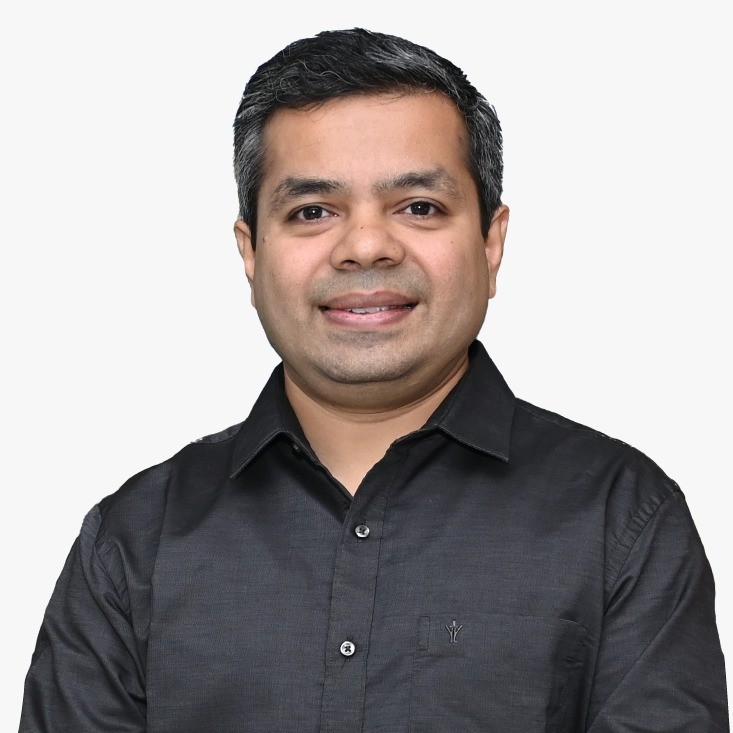
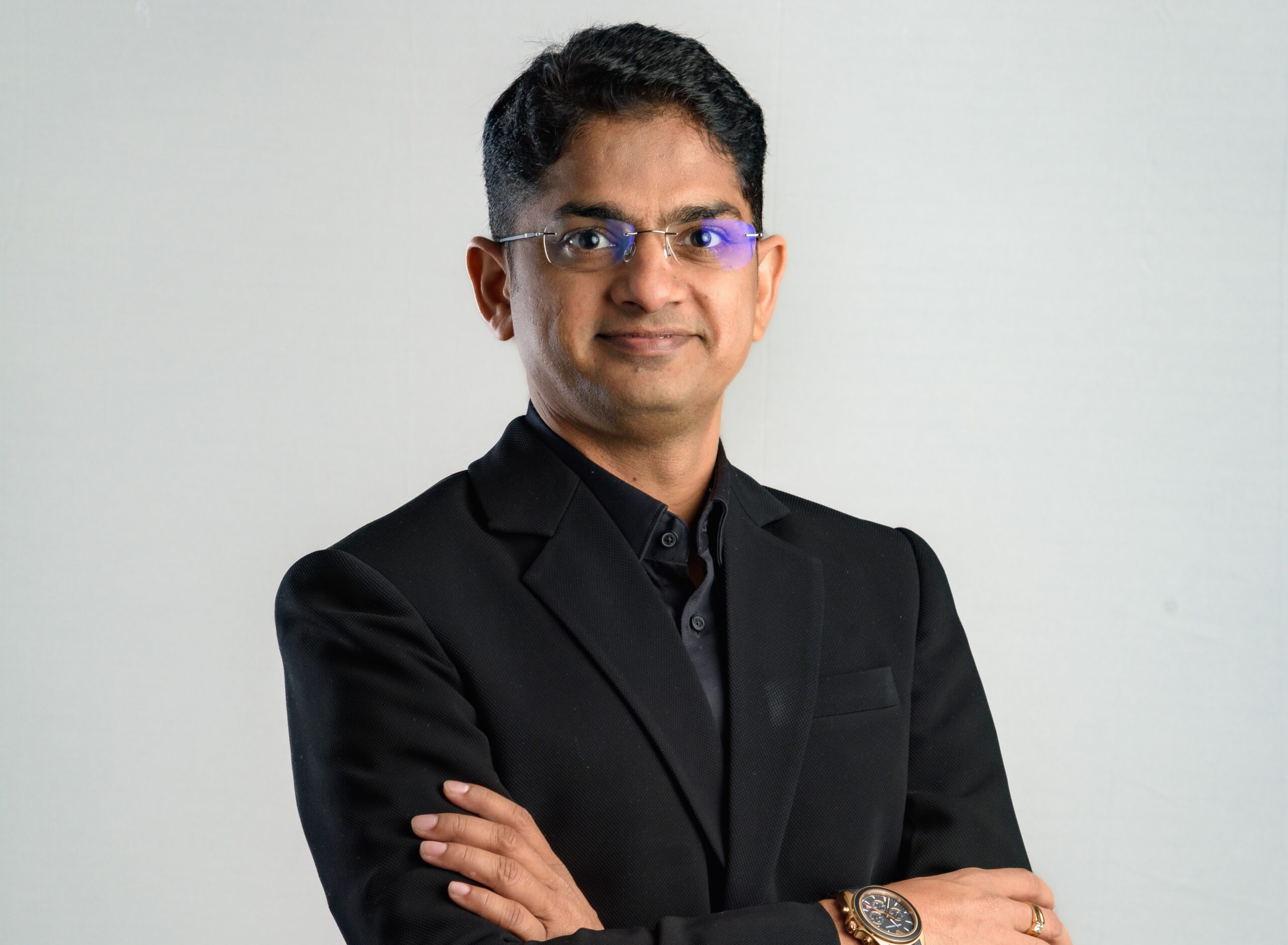
By: Bhavesh Shah, Joint Managing Director, Today Group
Whenever the emergence of Navi Mumbai as a robust city is spoken of, Kharghar naturally finds a mention. One of the original 19 nodes that were well-planned and designed to become the legacy of a new Mumbai. Known for its urban development, modern infrastructure, and distinguished for the liveability and green spaces it offers, Kharghar quickly evolved from a quiet suburban outpost into a bustling residential and commercial hub. Blending urban convenience with natural beauty, thanks to the lush landscapes and the nearby hills, Kharghar is well-laid-out with its sectors benefitting from wide roads, underground drainage, pedestrian pathways, and extensive parks such as Central Park, one of Asia’s largest urban parks.
In recent times, Kharghar has also found a new definition as a confluence of education going on to become an anchor of urban growth. Most suburban markets in the Mumbai Metropolitan Region (MMR) have been driven by commercial and residential expansion, while Kharghar’s growth narrative has been importantly shaped by academia. Over the past decade, the node has quietly transformed into one of the region’s premier educational hubs. It now has a significant number of reputed universities and professional institutions that have enriched its intellectual ecosystem while fuelling sustained real estate growth.
Kharghar’s emergence as an academic nucleus works perfectly given its planned township status by CIDCO. Designed to integrate education, healthcare, green spaces, and residential comfort in a single blueprint, Kharghar has been driven by purpose. This is evident from the presence of prominent universities including NMIMS Navi Mumbai, Bharati Vidyapeeth University, ITM Business School, and NIFT. Each of the existing institutions have contributed to strengthening Kharghar’s reputation as a destination of academic rigour and professional relevance. They have added value to the node’s vibrant knowledge economy attracting students, faculty, and administrative professionals from across India.
This concentration of talent and intellect has had a pronounced ripple effect on the workings of real estate. A steady influx of students and young professionals has ensured consistent demand for rental housing, co-living spaces, and mid-segment homes. Developers have been quick to recognise this demand, tailoring residential offerings to suit the needs of nuclear families and student communities alike. Unlike many suburbs where housing came first, in Kharghar it is education that has catalysed growth and shaped the city’s overall progress.
Besides prestige, the presence of institutions imparting value education create enduring ecosystems. The result is the emergence of a self-sustaining, knowledge-driven urban node like Kharghar which supports surrounding micro-markets that cater to the needs of these institutions. Thus, ancillary businesses like cafes, bookstores, hostels, start-ups, and co-working spaces too have found Kharghar as a natural ally.
As the larger appeal of Kharghar extends beyond academics, its urban design reflects balance and foresight. Proximity to Navi Mumbai International Airport and CIDCO’s International Corporate Park will make more difference, just as the Navi Mumbai Metro Line 1 and suburban railway have already enhanced accessibility, leading to noticeable property value appreciation along the metro corridor.
For homebuyers, the presence of reputed schools such as Ryan International, B.D Somani, Vibgyor High and DAV International, coupled with robust healthcare facilities and serene landscapes like the Central Park, make Kharghar a complete residential proposition. One that offers the kind of environment where academic focus and family life coexist harmoniously and is increasingly rare in the MMR.
In the larger scheme of Navi Mumbai’s development, Kharghar is also in proximity to the International Educity, a 250- acre hub being planned near the Navi Mumbai Airport. With the presence of global university campuses, the project will likely elevate the entire region’s academic profile, reinforcing Kharghar’s position as its intellectual and residential heart.
From a real estate standpoint, what makes Kharghar interesting is the depth of its demand. It is not speculative, nor purely driven by investor interest. The demand is organic, founded on the daily rhythm of students attending lectures, faculty relocating for long tenures, and families settling in search of quality education and a green, connected lifestyle. This is a kind of sustainability that every urban planner aspires to, but few cities achieve.
As India continues to urbanise, Kharghar is a model worth studying. Part of the Navi Mumbai blueprint where education, infrastructure, and urban living are not just an address, but the nucleus of Navi Mumbai’s knowledge economy, where classrooms, corporate aspirations, and community life merge into a modern urban narrative. Kharghar’s story is one that reminds us that education can be the most enduring foundation for real estate growth. Not because of buildings, but the communities it erects. And in essence, that is what makes this planned node among Navi Mumbai’s most thoughtful and future-ready success stories.