
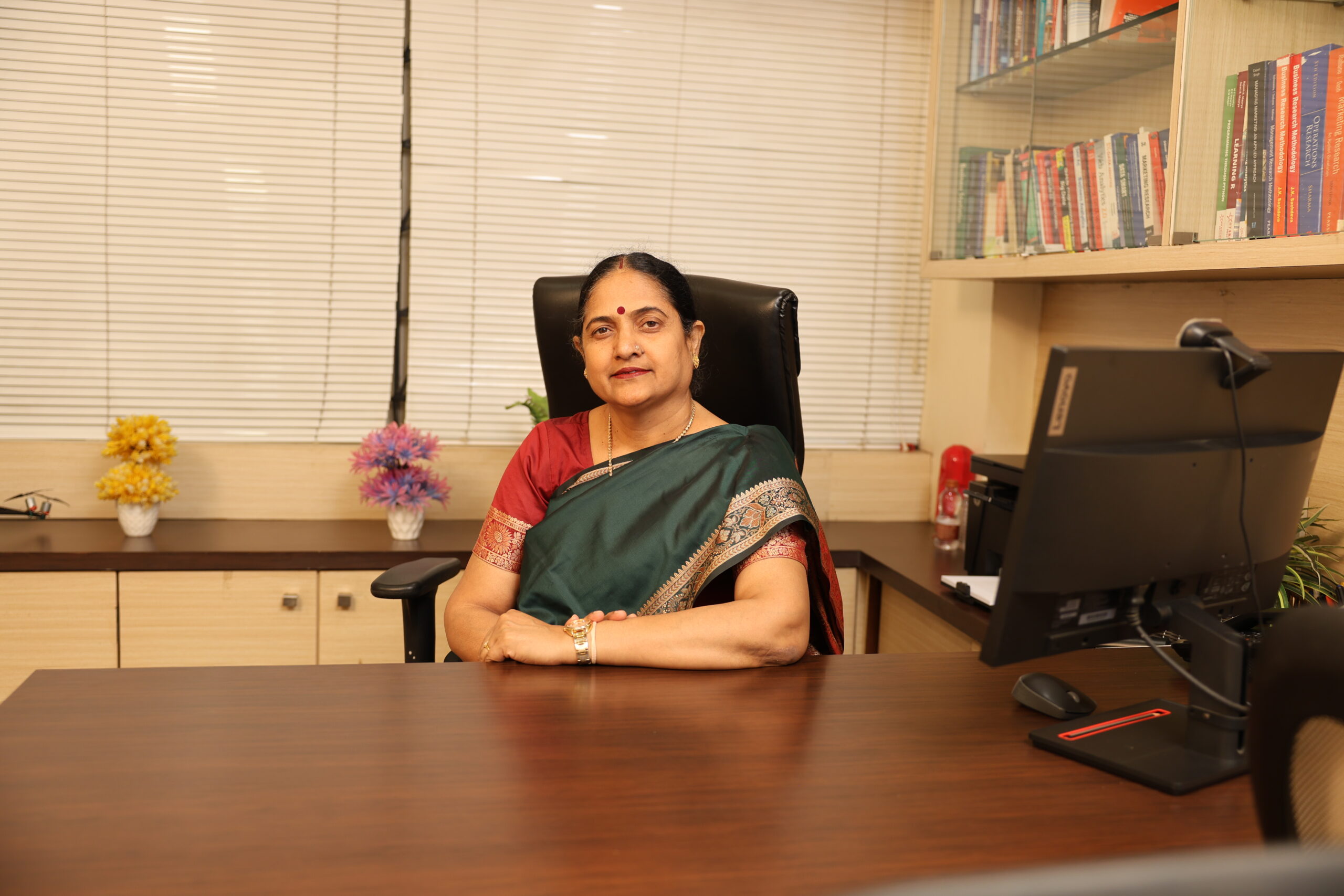
By: Dr. Anita Kanwar, Principal, Vivekanand Education Society’s College of Arts Science and Commerce
The Indian higher education system is evolving at an accelerated rate after the pandemic, and this transformation is becoming more visible with each passing year. The rapid changes are completely modifying and reshaping the landscape of higher education in ways that were unimaginable a decade ago. The introduction of the National Education Policy (NEP) 2020, as a significant step towards holistic, multidisciplinary, and interdisciplinary education, has restructured students’ mind-set, making it more inclusive, future-ready, and aligned with wider academic and career prospects. The concepts of private universities, deemed-to-be universities, and even the emergence of cluster universities are making educators rethink their existing models and consider moving towards a more unified “University concept” that integrates common ideologies, encourages independent thinking, and creates a shared vision aimed at achieving collective goals.
The future of learning is undoubtedly technology-driven; however, traditional learning methods continue to hold their own strong significance in India. These conventional methods provide structured learning, discipline, and immediate feedback—elements that are essential for building strong academic foundations. Face-to-face classroom interactions not only facilitate better understanding but also help students develop essential social skills, communication abilities, and confidence. Hence, blending traditional methods with modern technology and innovative teaching approaches can create a more effective, engaging, and holistic learning experience for students across various disciplines.
It is extremely important for learners to have a clear target set, a sense of direction, and a well-defined purpose in order to achieve and follow their dreams. Today, there is a vast wealth of material available online; courses, lectures, digital libraries, research papers; but to understand, absorb, and utilise this information effectively, we still need classrooms where meaningful interactions, brainstorming sessions, and healthy discussions can take place. These interactions often lead to innovative ideas that have the potential to benefit society and humanity at large. As we move forward, we will have to embrace technology wholeheartedly and integrate the use of artificial intelligence, augmented reality, virtual reality, and similar advanced tools into curricula and infrastructure to provide the latest exposure to students. Our emphasis should always be on offering programs and training modules that enhance students’ adaptability, creativity, problem-solving skills, and critical thinking abilities, ult
There is currently a huge and widely acknowledged gap between college education and actual industry demands. To bridge this gap effectively, industry–academia collaborations are essential, as they provide students with practical exposure, real-world experience, and an understanding of work environments. These collaborations also help colleges stay updated with emerging trends, technological advancements, skill requirements, and the evolving expectations of industries. With integration of concepts like internships, apprenticeships, project-based learning, and on-the-job training, colleges will have to adopt and implement more flexible learning models. These may include online and blended learning, on-demand examinations, accelerated and slow-paced learning pathways, and continuous learning environments, allowing institutions to cater to diverse student needs and learning styles.
To evaluate students’ skills and competencies more effectively, institutions must adopt innovative assessment methods and move beyond traditional examination patterns. Continuous internal evaluation, skill-based assessments, portfolio creation, and real-world problem-solving tasks can offer a more accurate measurement of student learning. At the same time, faculty members must be trained, encouraged, and motivated to continuously upgrade and upskill their knowledge and expertise so they can keep pace with new materials, emerging technologies, and global trends. Collaboration with international institutions will also help provide students with global perspectives, cross-cultural understanding, and international exposure; elements that are becoming increasingly important in a competitive world.
While introducing so many new technologies, advanced learning tools, and high-demand skills, we must also focus on the mental health and overall well-being of individuals. It is important to develop faculty and students’ emotional intelligence, empathy, resilience, and social skills so they can navigate challenges more effectively. We must provide them with an environment that is healthy, supportive, secure, and enabling; an atmosphere where they can peacefully think, ideate, create, and nurture their talents without fear or pressure.
The future of learning is dynamic, evolving, and sometimes challenging, but it also presents immense opportunities. Colleges must adapt quickly and continuously to stay relevant in this new academic ecosystem. By embracing technology, fostering innovation, strengthening industry connections, and maintaining a strong focus on student-centric approaches, colleges can prepare learners for success in an ever-changing, competitive world. The key is to remain agile, adaptable, and committed to continuous improvement. The future of learning is exciting and full of potential, and colleges have a pivotal role in shaping the destiny, growth, and success of students for years to come.