
By: Dr. Ramya Chatterjee, CEO, Solitaire Brand Business
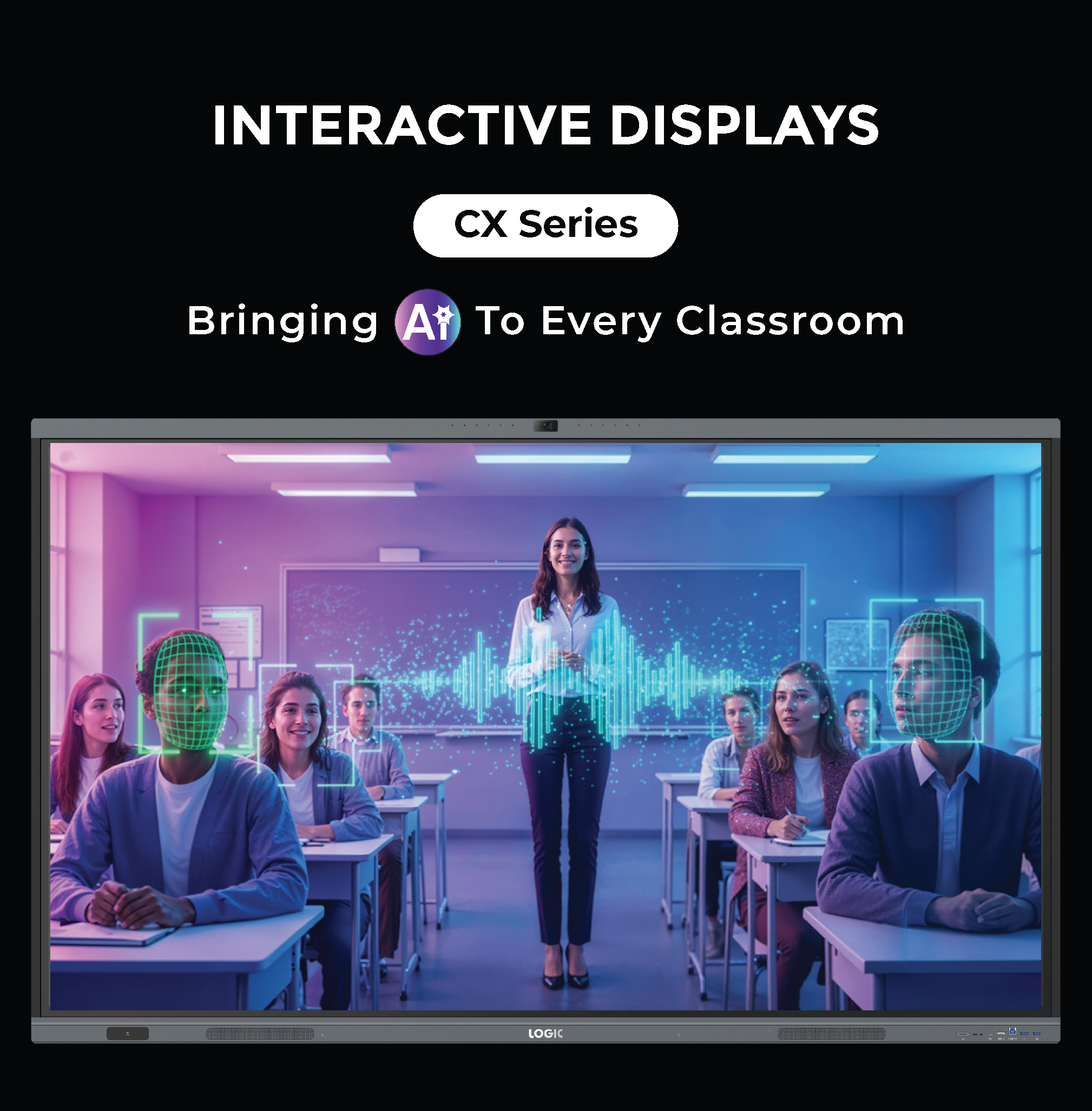
Classrooms today are undergoing an exciting shift. With the rapid advancement of artificial intelligence and intuitive digital platforms, educators now have access to tools that help personalise instruction, enhance engagement, and reduce the burdens of routine administrative tasks. Technology is no longer an add-on; it is becoming an integral part of modern pedagogy.
AI-enabled systems are helping teachers tailor lessons to individual learning needs. Real-time performance insights allow educators to identify gaps early and offer timely interventions. Meanwhile, immersive digital resources – from interactive content to simulation-based learning – are turning traditionally complex topics into enjoyable, hands-on experiences.
A major driver of this evolution is the growing adoption of interactive displays and intelligent teaching software. These platforms bring content delivery, annotation, collaboration, and assessment onto a single digital workspace, simplifying the way teachers plan and conduct classes. When such tools integrate AI, the overall teaching experience becomes more fluid, efficient, and impactful.
In many forward-thinking schools, modern digital canvases have become central to classroom workflows. Solutions like Solitaire Digital Canvas Pro, known for being one of the most advanced, intuitive, and easy-to-use AI-enabled teaching platforms, reflect the kind of simplicity and effectiveness educators increasingly look for. Teachers appreciate environments that empower them without overwhelming them – and technologies designed with this philosophy naturally gain acceptance.
As AI continues to evolve, the future of education will depend on tools that balance innovation with usability. When implemented thoughtfully, these solutions can make learning more inclusive, teaching more rewarding, and classrooms more connected to the needs of a rapidly changing world. The journey ahead is promising – one where technology and teaching work hand in hand to prepare students for the future.