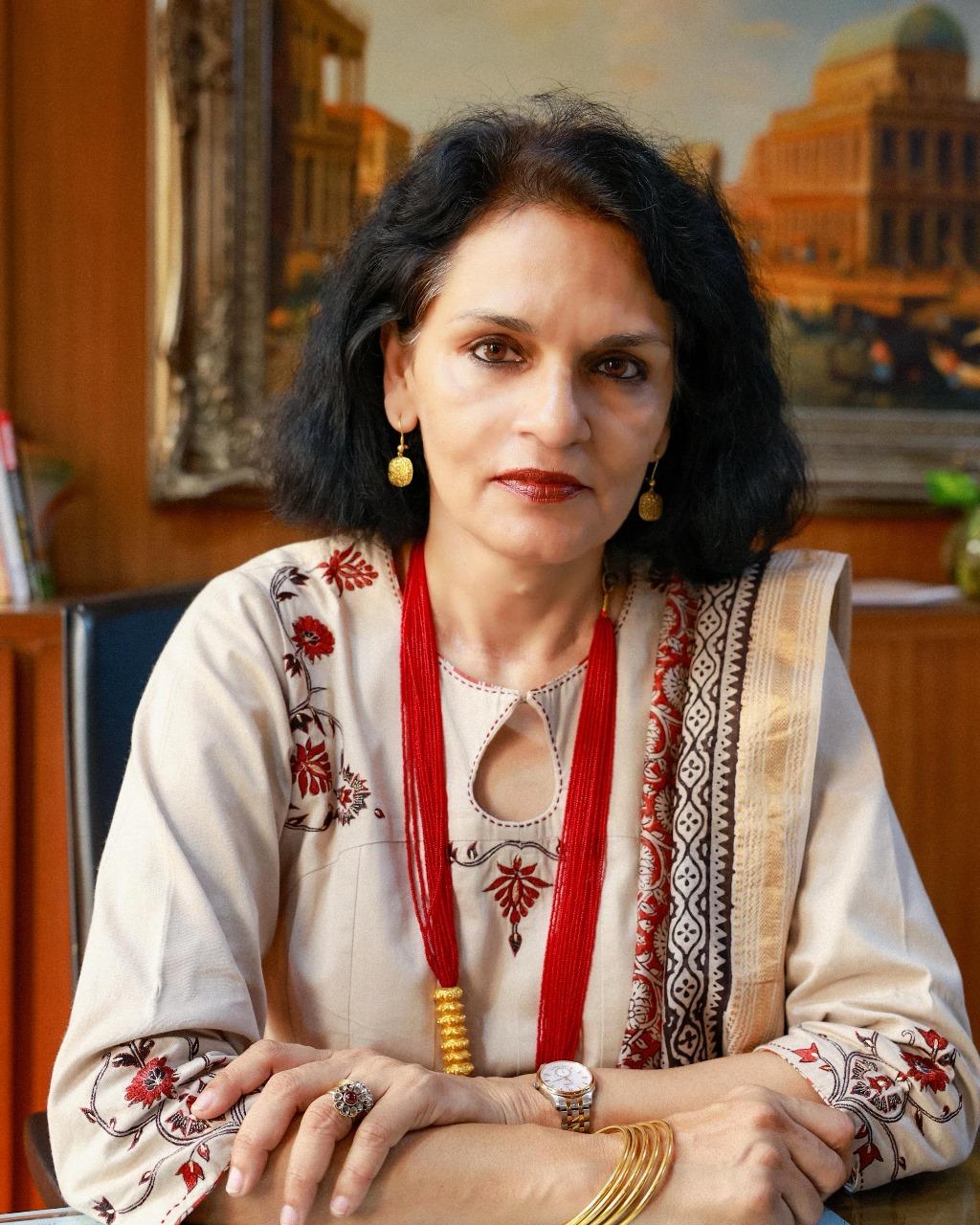
By: Rima Singh, Head of DPS International
In the past decade it has been seen that the Indian education landscape has undergone a sea change, and a quiet revolution is brewing underneath. While we grew up in a different world, our children will grow up in a very different one, and parents and educators must take cognizance of this fact. With this understanding, we see a significant change in the education system; rote memorization and content-heavy curricula are things of the past. We now see a major move towards education models that focus on real-world application and prioritize critical thinking and inquisitive attitudes. As the International Baccalaureate (IB) curriculum focuses on all these aspects, we see it gaining momentum across some of the best schools of India.
The early adopters of the IB Continuum that caters to the Primary Years Programme (PYP), Diploma Programme (DP), and Career-related Programme (CP) have gained quite a great interest from students, often guided by their parents. The vision is to ensure that learners are being educated for the rapidly changing globalized world instead of just success in exams. As teachers go beyond textbooks, the IB education is gaining momentum since it has an inquiry-led, concept-driven approach that is built on a foundation of deep understanding. As students end up choosing varied academic options from philosophy to PPE, political science to biomedical engineering, and aerospace, it is proof that the foundation laid during early years yields great results.
This education system builds essential skills such as research, analysis, and empathy through core components like Theory of Knowledge (TOK), the Extended Essay (EE), and Creativity-Activity-Service (CAS). As these students prepare for the future, this foundational learning will help them get into top universities and later workplaces that value their talent and skills. Moreover, the IB curriculum is more than just grades. As it inculcates initiatives such as Techathlon, Service Summits and MUN culture, students develop creativity andSummits, leadership and gain a sense of civic responsibility. This holistic development and experience during early years helps students aim for the stars and reach them too.
To guide the students, a comprehensive counseling program starting in Grade 9 can play a pivotal role. As students get personalized guidance, participate in career workshops, and gain more understanding through university fairs, they build a strong academic and extracurricular portfolio. Even as platforms such as UCAS, CommonApp, and Cialfo help in streamlining the admission process, an in-house experienced team supporting students can help them make the most of this education and find the right-fit university for them so that they can find a course of their choice as per their aptitude and attitude. No wonder Tier-2 cities, bolstered by National Education Policy (NEP) 2020, are also readying themselves for IB curriculum schools.
At the core of the success of the IB curriculum are the teachers. While their learning methodology was different, they are adapting to the dynamic needs of new-age students. These educators also work as IB examiners and workshop leaders, keeping them abreast of the international standards. In essence, the IB is not just an academic path; it is a mindset. As educators nurture the students to become curious and resilient and develop global competency skills, the students are challenged to grow holistically and think deeply. Thanks to the futuristic IB curricula, the students will enter a world that is opportunity-rich and have offers from across the globe.