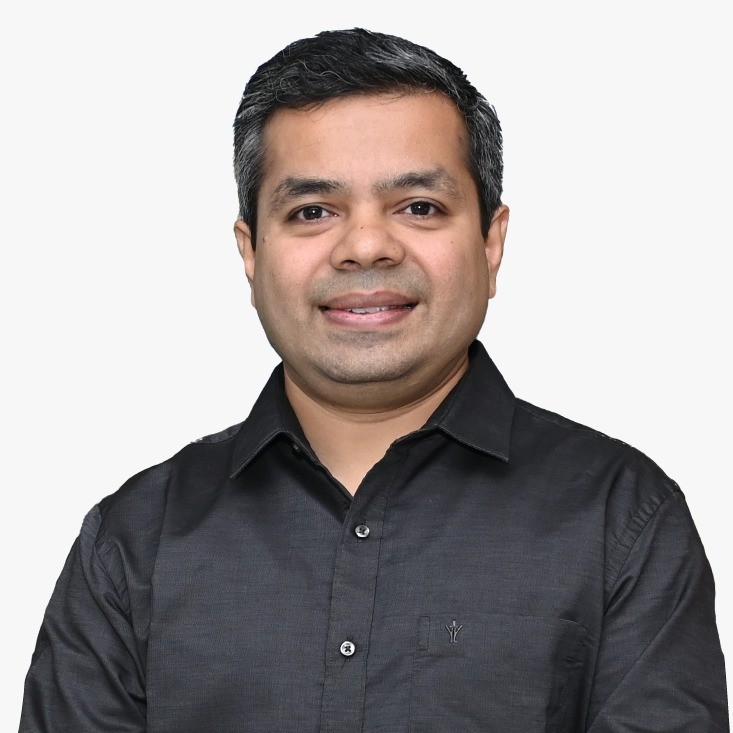

By: Sanjay Laul, Founder, MSM Unify
In 2025, India’s online degrees are moving into a scaled, more credible phase, as UGC recognition rules, hybrid credit frameworks,and subject-specific limits push universities to expand access while protecting quality. Students want affordable, job-relevant options; institutions are building them with online, campus, and global tie-ups that work together.
Recognition, Clarity, and Trust
One barrier has already come down. UGC has confirmed that properly approved online and ODL degrees are equivalent to those earned in conventional mode. That clarity helps students, employers, and universities make confident choices. The Distance Education Bureau also directs learners to verify a program’s recognition each admission cycle, which guards against unapproved offerings.
Quality guardrails are tightening where they should. Starting AY 2025, healthcare and allied subjects are barred from online and ODL modes, reflecting the need for hands-on training. Other disciplines, from arts to computing, continue online under existing norms. This sharper boundary increases trust in the credentials that remain available online.
Why Demand Will Keep Rising
Affordability and reach are the core drivers. Online study reduces relocation and living costs and opens credible choices to learners in Tier-2 and Tier-3 cities, including working adults who need flexible schedules. Policy is the second driver. NEP 2020 aims to have half of Indians be in higher education by 2035. Campuses can’t get us there alone, so online and hybrid will do much of the lifting.
Hybrid Learning Will Do the Heavy Lifting
The future is not a contest between online and campus. It is a design choice that blends both. Under the UGC credit framework, students can earn up to 40% of their credits through SWAYAM. Campus time focuses on labs, tutorials, and mentoring. You get more electives, fewer scheduling hassles, and the face-to-face moments that count.
I expect more institutions to rebuild calendars around this mix: online for scalable content and assessments, campus for practice, projects, and community. When done with care, hybrid raises outcomes without raising cost.
Global Tie-Ups Will Lift Quality and Mobility
Collaboration is the third lever. UGC regulations now allow twinning, joint, and dual degrees with foreign institutions under a formal approval pathway. That means an Indian learner can complete part of a curriculum at home, benefit from visiting or virtual international faculty, and finish a capstone with a partner abroad, all inside a recognized structure. It widens exposure while keeping affordability in play.
At the same time, regulators have warned HEIs against unapproved foreign collaborations. This is healthy. Clear approvals and transparent MOUs protect students and encourage serious partnerships that focus on learning quality and real outcomes.
What Students Should Look For
First, check the UGC DEB website to confirm the program is approved this year and that your subject is allowed online. Then ask simple things: how many exams are proctored, who supervises projects, and how labs or internships will work. Third, review placement support, portfolio-building opportunities, and how skills are documented for employers. In short, verify the status, then verify the substance.
What Institutions Should Do Next
Design for learning, not just delivery. Use the credit framework to expand electives responsibly, keep academic oversight tight, and invest in instructional design and learner support. Publish clear outcomes: completion, time to first job, and examples of project work. Where it makes sense, pursue a foreign partner through the approved collaboration route to co-develop modules or co-supervise research and capstones. The aim is a credible path from coursework to evidence of skills.
Nation-Building is the Point
Online degrees are not only about convenience. They are part of how we build a larger, more inclusive talent base for India and for global employers. When recognition is clear, hybrid is well designed, and partnerships are genuine, we create pipelines that feed knowledge industries, strengthen communities, and connect Indian learners with the world. That is nation-building in practice.
The road ahead is straightforward. Keep online degrees affordable and recognized. Use hybrid to scale without losing human connection. Grow international collaborations within the rules. If we do this with discipline, online degrees will become a trusted default for many learners, not a fallback—and India will be closer to its participation targets with graduates who can show what they know and what they can do.