Pune: Brains, behavior, emotions—if you want to understand what truly drives people, this is where it begins. Today, organizations face complex challenges in human behavior, mental health, and workplace wellbeing, creating a growing demand for skilled professionals who can navigate the science of the mind. At Dnyaan Prasad Global University (DPGU), Pune, their Psychology programmes are designed to meet this need, blending solid academic foundations with hands-on learning and real-world experiences that prepare students to make a tangible impact.
Aligned with the National Education Policy (NEP) 2020, the programmes follow a contemporary academic framework that emphasises interdisciplinary learning, critical thinking, and research-oriented education. The Psychology programmes at DPGU aim to prepare both practitioners and researchers capable of contributing to the evolving fields of mental health, behavioural sciences, and psychological research.
The Academic Landscape at DPGU
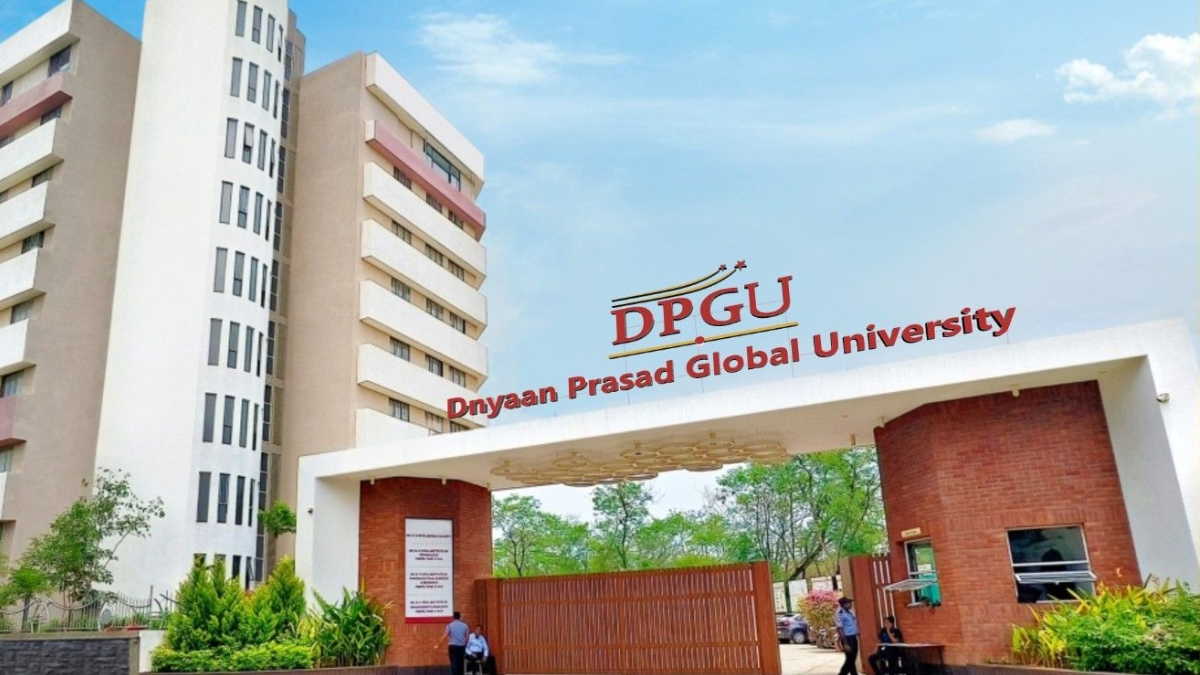
Dnyaan Prasad Global University (DPGU) is located in Pune, a city known for its strong academic ecosystem and presence of healthcare institutions, schools, and professional organisations. Supported by the academic legacy of Dr. D.Y. Patil Unitech Society, the university focuses on providing education that is industry-relevant and multidisciplinary in nature.
The university emphasises experiential learning and encourages students to combine theoretical knowledge with practical exposure. In such an academic environment, the Psychology programmes provide students with a strong foundation in theory while gradually introducing application-based learning and real-world engagement.
The Curriculum
The foundation of DPGU’s behavioural science education lies in its undergraduate and postgraduate programmes in Psychology. The Bachelor’s programme develops a broad understanding of the human mind and behaviour, while the Master’s programme provides deeper insight into clinical applications and psychological assessment.
To ensure practical relevance, the programmes integrate theoretical learning with applied components such as psychometric testing, field visits, internships in hospitals, seminars, and community engagement activities. Students are also trained in research methodology, enabling them to study behavioural patterns and analyse psychological data effectively.
The curriculum emphasises critical thinking, ethical practice, and emotional intelligence. These competencies help students understand human behaviour, make informed decisions, and interact empathetically with individuals and communities.
A Foundation in the Science of Human Behaviour
The Psychology programmes at DPGU are designed to help students apply classroom knowledge to real-world contexts. Aligned with the National Education Policy 2020, the programmes aim to build a strong understanding of human behaviour while equipping students with the practical and analytical skills required in the field of mental health and behavioural sciences.
Courses offered by DPGU :
B.Sc. (Hons.) Psychology
Duration: 4 years (as per NEP 2020)
What they offer:
Students gain foundational knowledge across various areas of psychology, including social behaviour, cognitive processes, biological psychology, and mental health conditions.
Skill Development:
The programme focuses on developing analytical, observational, and interpersonal skills required to understand human behaviour and work effectively with individuals and groups.
Outcome:
Graduates are prepared to explore career pathways in counselling support roles, research assistance, social work, human resources, and related fields, while also building a strong base for higher studies in psychology.
M.Sc. Clinical Psychology
Duration: 2 Years (4 semesters)
Objective:
The programme focuses on advanced areas such as psychopathology, psychological assessment, and therapeutic interventions.
Professional Preparation:
Students are prepared to work with hospitals, mental health clinics, rehabilitation centres, and related institutions. The programme includes rigorous training and assessments to ensure professional readiness.
Across these programmes, the university emphasises applied learning through case-based discussions, supervised practical training, and exposure to real-world professional environments.
Key Highlights & Learning Experience
Across its Psychology programmes, DPGU follows an evidence-based learning approach supported by faculty members who bring both academic expertise and professional experience. Students learn in well-equipped classrooms and modern Psychology laboratories that provide access to advanced assessment tools and testing methods.
The university’s collaborations with hospitals, NGOs, and corporate organisations create opportunities for internships and field exposure. A supportive research ecosystem also encourages students to undertake independent research projects.
In addition to academic training, the programmes emphasise personality development, communication skills, and empathy—qualities that are essential for professionals working in mental health and behavioural sciences.
Admission Process & Eligibility
Admission to the Psychology programmes at DPGU is open to students from diverse academic backgrounds, subject to the following criteria:
For B.Sc. Psychology
Candidates must have passed Standard XII (10+2) or an equivalent examination from any recognised board in any stream (Arts, Commerce, or Science) with a minimum of 45% marks or an equivalent grade (40% marks or equivalent grade for candidates belonging to the Scheduled Castes/Scheduled Tribes).
To opt for Honours with Research, students must achieve a minimum CGPA of 7.5 or equivalent by the end of Semester 6.
For M.Sc. Clinical Psychology
Candidates must have graduated from any recognised University or Institution of National Importance with a minimum of 40% marks or equivalent grade (35% marks or equivalent grade for Scheduled Caste/Scheduled Tribe candidates).
Apply online through the application portal: https://dpgu.edu.in/ or visit the university campus.
Professional Outcomes & Industry Readiness
The Psychology programmes at DPGU are designed to support career pathways in clinical practice, counselling, corporate mental health services, educational institutions, and research organisations. The programmes also provide a foundation for students who wish to pursue RCI licensing, doctoral research, or specialised therapeutic training.
The Pathway to Clinical & Psychological Leadership
At DPGU, the focus is on transforming psychological knowledge into meaningful professional practice. The curriculum emphasises advanced competencies required for research, clinical work, and behavioural analysis.
Through a combination of academic rigour, practical exposure, and research opportunities, the university aims to prepare graduates who can contribute effectively to the growing field of mental health and behavioural sciences. For students seeking a structured, research-oriented education in psychology, DPGU offers a comprehensive pathway towards professional growth and leadership in the field.